Warmer Kiwi Homes Grant Eligibility Guide
Staying warm and healthy at home often comes down to proper insulation and efficient heating, yet many residents are unaware that funding programs exist...
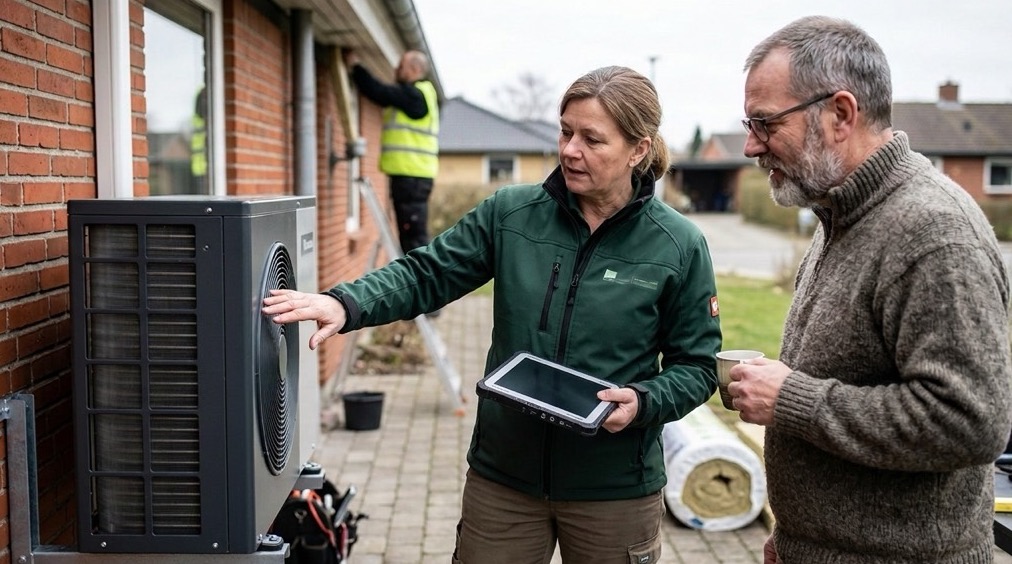
Staying warm and healthy at home often comes down to proper insulation and efficient heating, yet many residents are unaware that funding programs exist to help cover these upgrades. This guide breaks down the eligibility criteria, application process, and typical costs associated with home warmth assistance schemes, helping households understand what support might be available to them.
Cold, draughty houses can affect both comfort and health, which is why various government-backed programs aim to make insulation and heating upgrades more accessible. Understanding how these schemes work, who qualifies, and what the process involves can help residents make informed decisions about improving their living spaces.
What Insulation and Heating Support Is Available?
Many housing assistance schemes focus on two core areas: insulation and heating. Insulation retrofits target ceilings, underfloor spaces, and walls to reduce heat loss, while heating upgrades often involve replacing old, inefficient heaters with modern, efficient units. These combined upgrades are designed to improve thermal performance and reduce energy use throughout the colder months.
How Does Energy Efficiency Factor Into Eligibility?
Energy efficiency is often a central eligibility factor, as programs typically prioritize homes with poor insulation ratings or outdated heating systems. Applicants may need to demonstrate that their home lacks adequate insulation or relies on inefficient heating sources. An assessment, sometimes conducted by a qualified provider, usually determines whether a property meets efficiency thresholds required for funding approval.
What Are the Eligibility Criteria and Application Process?
Eligibility criteria generally consider factors such as homeownership status, income level, and the age or condition of the property. Some schemes require applicants to hold a community services card or fall within a specific income bracket, while others focus primarily on the home’s construction date or insulation status. The application process typically involves submitting proof of eligibility, scheduling a home assessment, and waiting for approval before work begins. It is important to apply through recognized channels and avoid unofficial intermediaries claiming to expedite approval for a fee.
Why Does Thermal Comfort and Health Matter?
Thermal comfort plays a significant role in household health, particularly for families with young children, older residents, or those with respiratory conditions. Cold and damp homes have been linked to increased risks of illness, making insulation retrofits and heating upgrades not just a comfort improvement but a health-focused investment. Programs supporting these upgrades often highlight the connection between a warmer home and improved overall wellbeing.
What Does the Retrofit and Upgrade Process Involve?
The retrofit process usually starts with an inspection to identify areas lacking insulation or ventilation. Once approved, contractors install insulation materials in ceilings, floors, and sometimes walls, followed by the installation of efficient heating appliances if included in the scheme. Homeowners should expect the process to take anywhere from a few days to a few weeks, depending on the scope of work and contractor availability in their area.
How Much Do Insulation and Heating Upgrades Cost?
Costs for insulation and heating upgrades vary considerably depending on home size, existing conditions, and the type of materials or appliances used. Subsidy programs may cover a portion or, in some cases, the majority of these costs for eligible applicants, while others require a co-payment. Below is a general pricing guide based on typical benchmarks observed across insulation and heating retrofit markets.
Prices, rates, or cost estimates mentioned in this article are based on the latest available information but may change over time. Independent research is advised before making financial decisions.
Who Can Apply for Assistance Programs?
Assistance programs are generally aimed at residents who own and occupy their homes, though some schemes extend support to landlords renting to qualifying tenants. Applicants are usually required to demonstrate that the property is their primary residence and that it meets specific construction or insulation criteria. Programs may also prioritize households in regions with colder climates or higher rates of housing-related health issues.
What Should Residents Know Before Applying?
Before applying, residents should gather documentation such as proof of income, homeownership records, and any previous insulation or heating assessments. It helps to research the specific scheme’s requirements thoroughly, as criteria can differ between regions and funding cycles. Consulting with a certified assessor or local housing authority can clarify whether a property is likely to qualify before submitting a formal application.
Warmer, healthier homes start with understanding the support systems in place to make insulation and heating upgrades more affordable. By reviewing eligibility criteria carefully and preparing the necessary documentation, residents can navigate the application process with greater confidence and potentially reduce the financial burden of essential home improvements.
Sunnyside Brief provides general information, not professional advice. Check official sources before making financial, legal or health decisions.