Understanding Ozempic self-pay cost In Canada And How Private Prescription Pricing Works In 2026
Many Canadians exploring weight loss injections want clarity on what private prescription pricing actually looks like outside of insurance coverage. Thi...
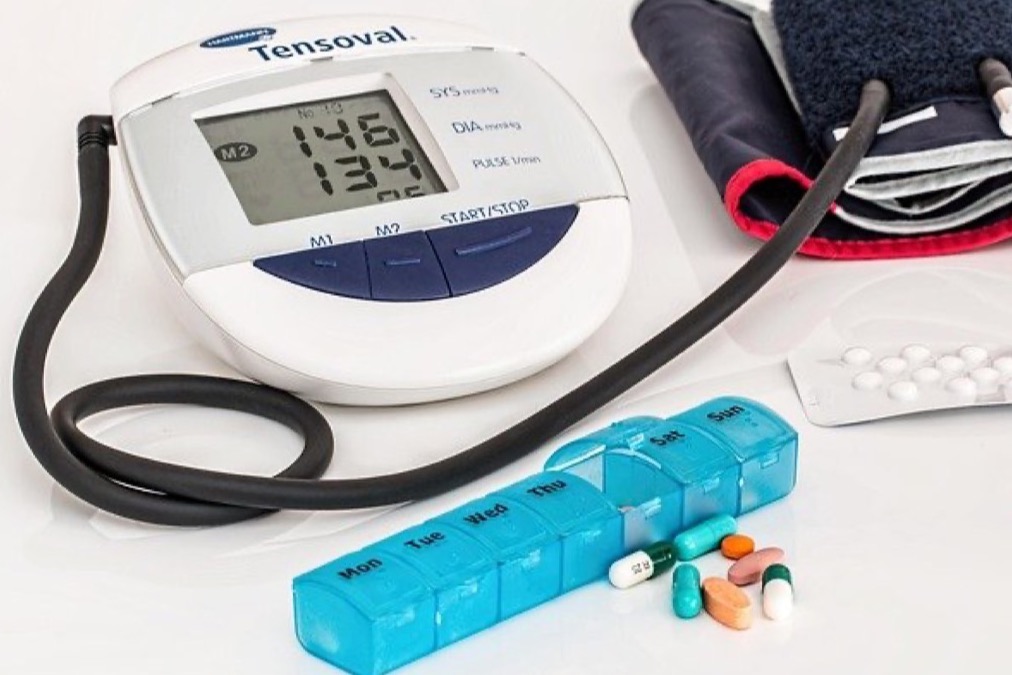
Many Canadians exploring weight loss injections want clarity on what private prescription pricing actually looks like outside of insurance coverage. This article breaks down how self-pay costs for Ozempic work, what influences pricing, and how clinics, pharmacies, and telehealth services factor into the overall out-of-pocket experience in 2026.
This article is for informational purposes only and should not be considered medical advice. Please consult a qualified healthcare professional for personalized guidance and treatment.
Weight loss injections have become a widely discussed topic across Canada, especially as more people look into private prescription options when insurance does not cover the full cost. Understanding how self-pay pricing works, what influences it, and what to expect from a consultation or clinic visit can help patients make more informed healthcare decisions.
How does private prescription pricing work in Canada?
Private prescription pricing in Canada depends on several variables, including the pharmacy dispensing the medication, the dosage prescribed, and whether a patient is accessing care through a traditional clinic or a telehealth platform. Unlike publicly funded healthcare services, self-pay medications are priced independently by pharmacies, which means costs can vary significantly from one province to another. Patients are encouraged to request a written estimate before starting treatment to avoid unexpected expenses.
What role does insurance play in out-of-pocket costs?
Most private insurance plans in Canada only cover Ozempic when prescribed specifically for type 2 diabetes management, not for weight loss purposes. This distinction significantly affects out-of-pocket costs for individuals seeking the medication primarily for metabolism support or appetite regulation. Without insurance coverage, patients are responsible for the full retail cost, which is why understanding self-pay pricing structures has become increasingly relevant for Canadians considering this treatment route.
How does dosage affect medication costs?
Dosage plays a direct role in determining the price of each prescription. Ozempic is typically prescribed in increasing doses over time, starting at a lower level and gradually adjusting based on how the body responds. Higher doses generally come with higher price points, since more active medication is contained in each injection pen. Patients should discuss dosage expectations with their healthcare provider early on, as this will directly influence long-term treatment costs.
Are telehealth consultations a cost-effective option?
Telehealth has grown in popularity across Canada as a convenient way to access prescription consultations without visiting a clinic in person. These virtual consultations can sometimes reduce costs associated with travel and in-person appointments, though the medication itself is still priced separately through a pharmacy. Telehealth providers often charge a consultation fee, which should be factored into the overall out-of-pocket cost when comparing options for treatment.
What should patients know about clinic-based pricing?
Clinics offering weight loss injection programs may bundle consultation fees, follow-up visits, and medication guidance into a broader treatment package. This can sometimes make costs feel more predictable, though it is worth comparing clinic-based pricing against standalone pharmacy costs. Asking for a full breakdown of what is included in a clinic’s pricing structure helps patients avoid confusion about recurring fees versus one-time charges.
Real-world pricing insights for 2026
Self-pay costs for Ozempic and similar weight loss injections vary across Canadian pharmacies and clinics, influenced by dosage, location, and whether consultation fees are bundled into the price. Below is a general pricing guide based on typical benchmarks observed in the Canadian market. These figures are illustrative and intended to provide a general sense of scale rather than exact figures for every provider.
Prices, rates, or cost estimates mentioned in this article are based on the latest available information but may change over time. Independent research is advised before making financial decisions.
How can patients find savings on treatment costs?
Some patients explore manufacturer savings programs, pharmacy loyalty discounts, or price comparisons between local pharmacies to reduce overall treatment costs. Comparing pricing across multiple pharmacies in your area before committing to a long-term prescription plan can lead to noticeable savings over time. Patients should also ask their healthcare provider whether a lower effective dose could still meet treatment goals, as this may further reduce monthly expenses.
Navigating the cost of weight loss injections in Canada requires a clear understanding of how private prescription pricing, dosage requirements, and consultation fees come together to form the total out-of-pocket expense. By comparing pharmacy pricing, exploring telehealth versus clinic-based options, and staying informed about insurance limitations, patients can approach treatment planning with more confidence and clarity heading into 2026.
Sunnyside Brief provides general information, not professional advice. Check official sources before making financial, legal or health decisions.